
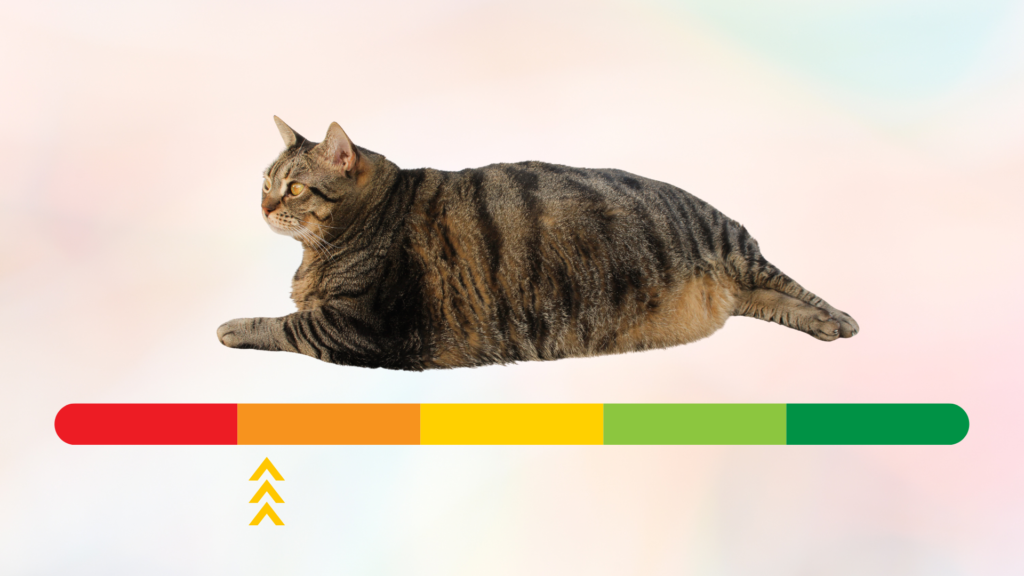
Does your cat seem to struggle with grooming areas they once reached easily? Perhaps their belly looks rounder, or they spend more time resting instead of exploring their surroundings. These subtle changes might indicate that you have an overweight cat, particularly when extra pounds begin interfering with everyday activities.
Cats rely on flexibility to groom themselves, and excess body fat sometimes makes reaching certain areas difficult. Jared the Cat Groomer often has to step in to help these cats take care of their grooming needs until they reach a healthy weight again. Recognizing unhealthy weight gain is a valuable part of taking care of your feline as a cat owner in Vancouver, WA.
Learning more about the relationship between body weight, grooming habits, and overall wellness gives pet owners a clearer picture of their feline companion’s needs.
How Extra Weight Affects Your Cat’s Comfort
An overweight cat faces increased risks of diabetes, arthritis, and other health conditions associated with excess body fat. Additional weight places pressure on joints, making everyday movements such as climbing, stretching, and jumping more challenging.
Cats carrying excess pounds frequently struggle to reach their lower backs and hindquarters during grooming. This reduced flexibility contributes to greasy fur, tangles, matting, and skin irritation when regular coat maintenance becomes difficult. Addressing weight concerns while maintaining appropriate grooming routines supports better hygiene.
What Leads to Unhealthy Weight Gain in Cats?
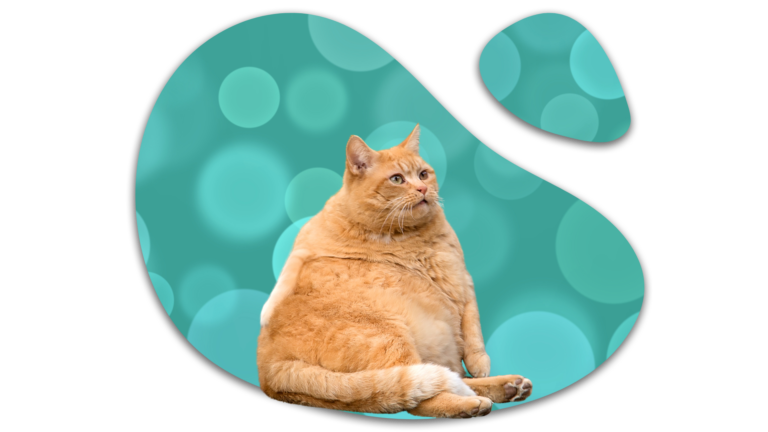
Feline weight gain frequently develops when daily calorie intake exceeds the energy a cat uses. Oversized meals, frequent treats, and unrestricted access to food contribute to gradual increases in body fat. Indoor cats with limited opportunities for physical activity face additional challenges maintaining a healthy weight. Aging, reduced mobility, and certain underlying medical conditions sometimes influence changes in body composition.
Discussing unexpected weight changes with your veterinarian will give you insight into potential causes and appropriate nutritional adjustments.
Clues Your Cat Might Be Carrying Excess Weight
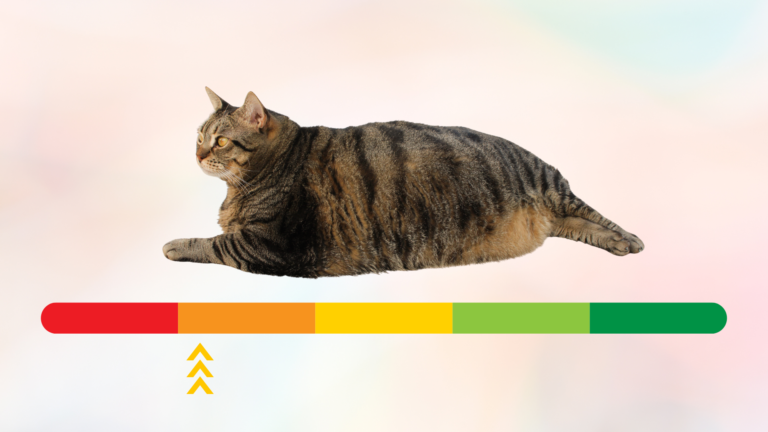
Recognizing an overweight cat involves observing physical appearance alongside changes in daily behavior. A healthy cat generally has a visible waist when viewed from above, with ribs that are easily felt beneath a thin layer of tissue. A rounded silhouette, difficulty feeling the ribs, and reduced interest in jumping might indicate excess body fat. Grooming difficulties, particularly around the lower back and hindquarters, deserve attention because restricted flexibility sometimes accompanies weight gain.
Veterinarians use body condition scoring to assess fat distribution and determine whether a cat’s weight falls within a healthy range. For a visual reference, take a look at the feline body condition scoring guide from the Association for Pet Obesity Prevention.
Getting Veterinary Guidance for Feline Weight Changes
If your cat begins gaining weight unexpectedly, make an appointment with your pet’s vet. A veterinarian evaluates body condition, nutritional habits, activity levels, and potential medical concerns before recommending a weight management plan. Gradual dietary adjustments and appropriate physical activity support safer progress than sudden calorie restrictions.
While veterinary professionals address nutritional and medical concerns, cat grooming supports coat maintenance when excess weight limits a cat’s natural grooming abilities. Jared the Cat Groomer performs grooms for overweight cats in Vancouver, WA.
Three Cat Grooming and Wellness Habits
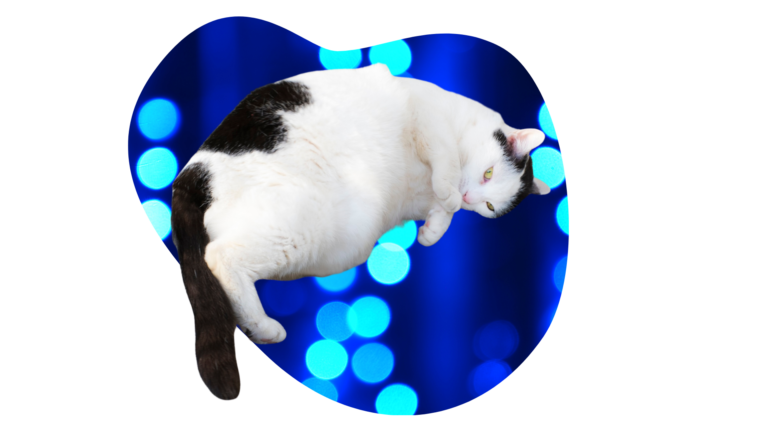
Supporting an overweight cat involves thoughtful attention to physical wellness and coat condition. These three everyday practices promote a more comfortable routine:
- Brush regularly. Gentle brushing removes loose fur and reduces tangles, particularly around areas your cat struggles to reach.
- Encourage comfortable movement. Short play sessions with interactive toys promote activity without placing unnecessary strain on joints.
- Follow veterinary recommendations. Measure meals according to guidance from your cat’s vet and avoid restrictive diets or unverified weight-loss advice.
Pay attention to changes in coat texture, skin condition, and grooming behavior. Persistent matting or difficulty maintaining cleanliness deserves care from a cat groomer.
Gentle Grooming for Overweight Cats in Vancouver, WA
Cats of every size deserve clean, comfortable coats and grooming experiences. Jared the Cat Groomer provides feline grooming services for cats throughout Vancouver, Portland, and Camas. For an overweight cat struggling with self-grooming, coat maintenance with a groomer addresses tangles, loose fur, and areas that have become difficult to reach.
If your cat’s weight has started affecting their grooming habits, schedule an appointment with Jared the Cat Groomer to discuss their coat care needs.